
In the era of instant information, TV continues to be one of the most reliable mediums for accessing news worldwide.
Among the many news channels,
The Role of Satellite Television in News Broadcasting
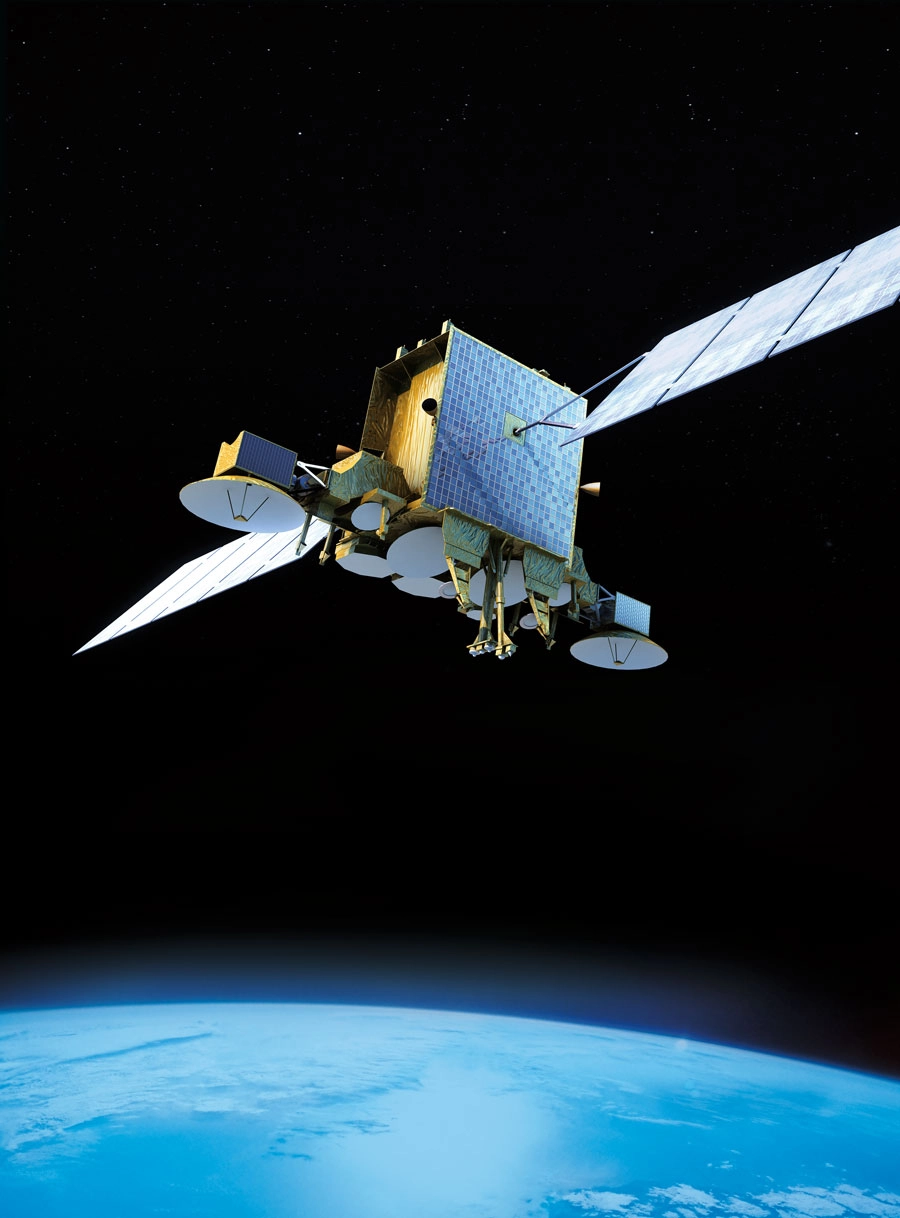
Satellite TV plays a vital role in the distribution of news content, particularly for channels like CP24 that provide ongoing reach. Unlike terrestrial broadcasts, which are limited by geographic boundaries, satellite signals can reach audiences in urban and remote regions alike. This broad accessibility ensures that audience remain informed at all times, whether they are in their homes, offices, or traveling.
Satellite broadcasting is especially important for 24-hour news channels. It allows live reach of breaking news, weather updates, traffic reports, and special events, providing audience alongside timely information that cannot always be matched by online streaming platforms, especially in regions alongside slower internet connections.
Major Satellites Broadcasting CP24 Channel
CP24 Channel is accessible on multiple satellites to maximize its reach. The most common satellites carrying the channel contain
📡 CP24 Channel Frequencies
Bell Satellite TV (Canada)
• Frequency:11917 MHz
• Polarization:Horizontal (H)
• Symbol Rate:22000
• error correction:3/4
• Quality: HD (High Definition)Intelsat 11 (58°W)
• Frequency:12015 MHz
• Polarization:Vertical (V)
• Symbol Rate:30000
• error correction:5/6
• Quality: HDGalaxy 19 (97°W) (North America reach)
• Frequency:12110 MHz
• Polarization:Horizontal (H)
• Symbol Rate:27500
• error correction:5/6
• Quality: HD
These frequencies are periodically updated by satellite operators or the channel itself to enhance signal quality, expand reach, and accommodate technological upgrades. Regularly checking the recent frequency listings ensures uninterrupted access to CP24.
Technical Parameters Explained
To receive CP24 on satellite, the following parameters must be entered correctly into a satellite decoder:
Frequency (MHz): The specific signal frequency for the satellite transponder.Polarization: Horizontal (H) or Vertical (V), which determines the orientation of the satellite dish.Symbol Rate (SR): Indicates the speed of data transmission.error correction (Forward Error Correction): Helps correct errors during signal transmission for a steady and clear picture.
Entering incorrect settings may result in a weak signal or failure to receive the channel altogether.
Advantages of Satellite signal for CP24
Using satellites to access CP24 Channel offers several benefits:
Wide Geographic Coverage: Satellite signals reach regions where cable or terrestrial signals may not be accessible.High-Definition Broadcasts: Many satellites transmit CP24 in HD, ensuring clear visuals and audio.Live Updates and Breaking News: Satellite signal allows real-time reach of events across Canada and internationally.Reliable Signal: Satellite broadcasting is less susceptible to network interruptions compared to online streaming.Backup Availability: Multiple satellites carrying the same channel ensure continuity if one transponder or satellite faces technical issues.
Tips for Optimal signal
To ensure the best viewing experience for CP24 via satellite, consider these practical advice:
Align Your Dish Properly: Even small misalignments can minimize signal strength.Use High-Quality Equipment: Premium LNBs and cables minimize signal loss.Regularly Check Frequencies: Satellite operators update frequencies; keeping your decoder updated prevents interruptions.Avoid Obstructions: Ensure your dish has a clear line of sight to the satellite to maximize signal quality.